
The Global Institute for Strategic Studies (GISS)
Artificial intelligence is rapidly transforming the nature of modern warfare. What was once considered a futuristic concept limited to science fiction has become a central pillar of military planning, intelligence gathering, battlefield operations, cyber warfare, autonomous weapons development, and geopolitical competition among major powers.
Today, global military institutions increasingly view AI not merely as a technological advantage, but as a strategic necessity capable of reshaping the balance of power in the twenty-first century. From autonomous drones in Ukraine to AI-assisted surveillance systems in China, predictive military analytics in the United States, and AI-enabled cyber operations conducted by state and non-state actors, artificial intelligence is already changing how wars are planned, fought, and controlled.
The race for AI dominance is now deeply connected to national security, military modernization, economic competitiveness, and global influence. Governments are investing billions of dollars into military AI systems, while defense companies and technology firms are becoming increasingly integrated into military-industrial strategies.
At the same time, the rise of AI warfare raises profound ethical, legal, and geopolitical concerns. Questions surrounding autonomous killing systems, algorithmic bias, cyber escalation, surveillance, accountability, and the future role of human decision-making in combat remain unresolved.
This emerging technological revolution may ultimately redefine the nature of war itself.
The Evolution of Military Artificial Intelligence
Artificial intelligence has gradually evolved from a supporting analytical tool into a core operational capability within modern armed forces.
Historically, military organizations relied heavily on human intelligence analysis, manual battlefield coordination, and centralized command systems. However, the explosion of digital data, satellite imagery, cyber operations, and real-time surveillance has created information environments too vast for traditional human processing alone.
AI systems now assist militaries in processing enormous amounts of battlefield data within seconds. Machine learning algorithms can identify targets, predict enemy movements, analyze communications, detect cyber threats, and support operational planning at unprecedented speed.
The integration of AI into military systems accelerated significantly after advances in deep learning technologies during the 2010s. Since then, major powers including the United States, China, Russia, Israel, and several NATO countries have prioritized AI development as part of broader military modernization programs.
Artificial intelligence is increasingly viewed as comparable to previous military revolutions such as nuclear weapons, air power, and cyber warfare.
Autonomous Weapons Systems
One of the most controversial aspects of military AI involves autonomous weapons systems capable of selecting and engaging targets with limited or no direct human intervention.
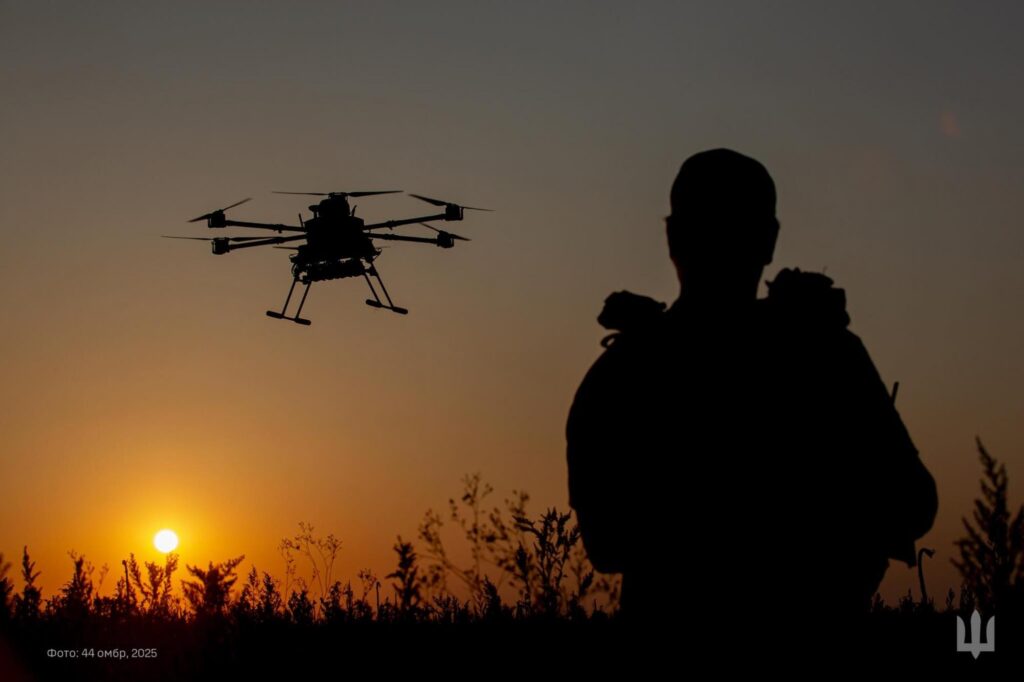
These systems include autonomous drones, robotic combat vehicles, AI-guided missile systems, loitering munitions, and automated defense platforms.
Supporters argue that autonomous weapons can reduce military casualties, increase precision, improve operational speed, and outperform humans in highly complex combat environments.
Critics, however, warn that delegating lethal decisions to machines creates serious ethical and legal risks. Concerns include accidental escalation, misidentification of targets, lack of accountability, and the erosion of human control over warfare.
The growing deployment of loitering drones and AI-assisted targeting systems in conflicts such as Ukraine, Gaza, Libya, and Nagorno-Karabakh demonstrates that autonomous warfare is no longer theoretical.
Many experts fear the world is entering an era where machines may increasingly determine life-and-death decisions on the battlefield.
The United States and the AI Arms Race
The United States remains one of the global leaders in military AI development.
The Pentagon has launched numerous initiatives integrating artificial intelligence into defense operations, including Project Maven, Joint All-Domain Command and Control (JADC2), autonomous naval systems, and AI-enabled intelligence analysis.
American military strategy increasingly focuses on maintaining technological superiority against rivals such as China and Russia. AI is considered essential for future battlefield dominance, particularly in areas involving cyber warfare, space operations, unmanned systems, and rapid decision-making environments.
The U.S. defense sector also benefits from close relationships between Silicon Valley technology companies and military institutions. Major corporations involved in cloud computing, AI infrastructure, satellite technologies, and data analytics now play expanding roles within defense modernization.
However, debates continue inside the United States regarding ethical boundaries, privacy concerns, and the militarization of emerging technologies.
China’s Strategic AI Ambitions
China views artificial intelligence as central to its long-term geopolitical strategy.
Beijing has invested heavily in AI research, surveillance technologies, autonomous systems, quantum computing, and military-civil fusion programs designed to integrate commercial technological innovation with defense development.
The Chinese government aims to become the global leader in AI by 2030. Military AI development forms a major component of this ambition.
China’s People’s Liberation Army increasingly incorporates AI into battlefield simulations, autonomous drones, naval systems, intelligence analysis, facial recognition surveillance, and cyber operations.
Unlike Western democracies, China faces fewer political restrictions regarding large-scale surveillance and data collection. This provides significant advantages for training AI systems using massive datasets.
China’s rapid technological expansion has intensified concerns in Washington that AI competition could become one of the defining geopolitical rivalries of the century.
Russia and AI-Driven Hybrid Warfare
Russia has also prioritized military AI, particularly within the context of hybrid warfare strategies.
Moscow increasingly combines cyber operations, disinformation campaigns, autonomous systems, electronic warfare, and AI-supported intelligence operations as part of broader asymmetric military doctrine.
The war in Ukraine has demonstrated the growing importance of drones, real-time battlefield analytics, and AI-assisted targeting systems.
Russian military planners view AI as a force multiplier capable of compensating for conventional military weaknesses while enhancing cyber and information warfare capabilities.
At the same time, sanctions and technological isolation may limit Russia’s long-term ability to compete with Western and Chinese AI development.
AI and Cyber Warfare
Artificial intelligence is revolutionizing cyber warfare by enabling faster, more adaptive, and more sophisticated cyber operations.
AI-powered cyber systems can automatically detect vulnerabilities, generate malware variations, identify network weaknesses, and launch highly targeted attacks.
At the same time, AI is also improving defensive cybersecurity capabilities through anomaly detection, automated threat response, and predictive cyber intelligence.
The integration of AI into cyber warfare increases the speed of digital conflict dramatically. Future cyberattacks may occur faster than humans can realistically respond.
This creates serious risks of accidental escalation, especially when AI systems interact autonomously during high-tension geopolitical crises.
Critical infrastructure such as energy systems, financial networks, military communications, hospitals, transportation systems, and satellites may become increasingly vulnerable to AI-enabled cyberattacks.
Surveillance, Intelligence, and Predictive Warfare
AI has become deeply integrated into intelligence and surveillance operations.
Modern intelligence agencies use machine learning systems to analyze satellite imagery, intercept communications, monitor social media, detect behavioral patterns, and process enormous quantities of digital information.
Predictive analytics systems are increasingly used to anticipate threats, identify suspicious activity, and support counterterrorism operations.
Governments also use AI-driven surveillance technologies for domestic security and political control. Facial recognition systems, biometric monitoring, and predictive policing technologies have expanded rapidly in several countries.
While supporters argue these tools enhance national security, critics warn they may normalize mass surveillance and undermine civil liberties.
The line between military intelligence, domestic surveillance, and authoritarian control is becoming increasingly blurred.
Artificial Intelligence and Battlefield Decision-Making
AI systems are increasingly influencing battlefield decision-making processes.
Modern warfare environments produce overwhelming amounts of information from drones, satellites, radar systems, sensors, and communications networks. AI enables commanders to process this information rapidly and generate operational recommendations in real time.
Some military planners envision future battlefields where AI systems coordinate troop movements, logistics, targeting priorities, and defensive responses faster than human commanders alone.
However, excessive reliance on algorithms may create new vulnerabilities.
AI systems can misinterpret data, inherit biases from training datasets, or become vulnerable to manipulation through adversarial attacks and misinformation.
There are growing concerns that humans may gradually become overly dependent on machine-generated recommendations during high-pressure combat situations.
The Ethics of Autonomous Warfare
The ethical debate surrounding AI warfare has become one of the most urgent issues in international security.
Human rights organizations, academics, and arms control advocates warn that autonomous weapons systems may undermine international humanitarian law and reduce accountability for unlawful killings.
One major concern involves the possibility of “killer robots” operating without meaningful human oversight.
Questions remain unresolved regarding who bears legal responsibility if autonomous systems commit war crimes or make catastrophic targeting errors.
Several international organizations and advocacy groups have called for global treaties restricting or banning fully autonomous lethal weapons.
However, major military powers remain reluctant to limit technologies they view as strategically important.
As AI capabilities continue advancing, the ethical challenges surrounding machine-controlled warfare will likely intensify.
Non-State Actors and AI Warfare
Artificial intelligence is no longer limited to powerful states.
Non-state actors, militias, terrorist organizations, criminal networks, and insurgent groups increasingly gain access to commercially available AI technologies, drones, and cyber tools.
Cheap autonomous drones, open-source AI software, facial recognition tools, and encrypted communications platforms are lowering barriers to advanced warfare capabilities.
This democratization of military technology creates new security risks. Small groups may increasingly conduct sophisticated surveillance operations, cyberattacks, or drone strikes previously possible only for state militaries.
The spread of AI-enabled warfare capabilities could significantly destabilize conflict zones and increase the complexity of counterterrorism operations.
AI, Information Warfare, and Deepfakes
Artificial intelligence is also transforming information warfare.
Governments and political actors increasingly use AI-generated propaganda, automated disinformation campaigns, synthetic media, and deepfake technologies to influence public opinion and manipulate political narratives.
Deepfake videos and AI-generated audio recordings create serious challenges for journalism, intelligence verification, and democratic processes.
In future conflicts, information manipulation may become as strategically important as traditional military operations.
The ability to control narratives, spread confusion, and undermine trust could significantly shape geopolitical competition.
The Future of Global Military Competition
The AI revolution is reshaping the global military balance.
Countries capable of dominating AI development may gain major advantages in intelligence gathering, cyber operations, autonomous systems, surveillance, logistics, and decision-making speed.
This competition increasingly overlaps with broader struggles over semiconductors, quantum computing, cloud infrastructure, data access, and technological sovereignty.
AI may ultimately become one of the primary determinants of geopolitical power during the coming decades.
At the same time, unequal access to advanced AI technologies may deepen global military disparities between technologically advanced powers and weaker states.
Conclusion
Artificial intelligence is transforming warfare faster than international institutions, legal frameworks, and ethical norms can adapt.
AI-enabled military systems are already reshaping intelligence operations, cyber warfare, autonomous weapons development, surveillance, and battlefield decision-making across the world.
The competition for military AI dominance has become deeply intertwined with global geopolitics, technological innovation, and national security strategies.
Yet alongside its military advantages, AI introduces profound risks involving accountability, escalation, surveillance, disinformation, and the erosion of human control over warfare.
The future battlefield may increasingly be shaped not only by soldiers and weapons, but by algorithms, data systems, autonomous machines, and artificial intelligence networks operating at speeds beyond human comprehension.
How governments, militaries, and international institutions respond to these challenges may determine the future of global security in the twenty-first century.